
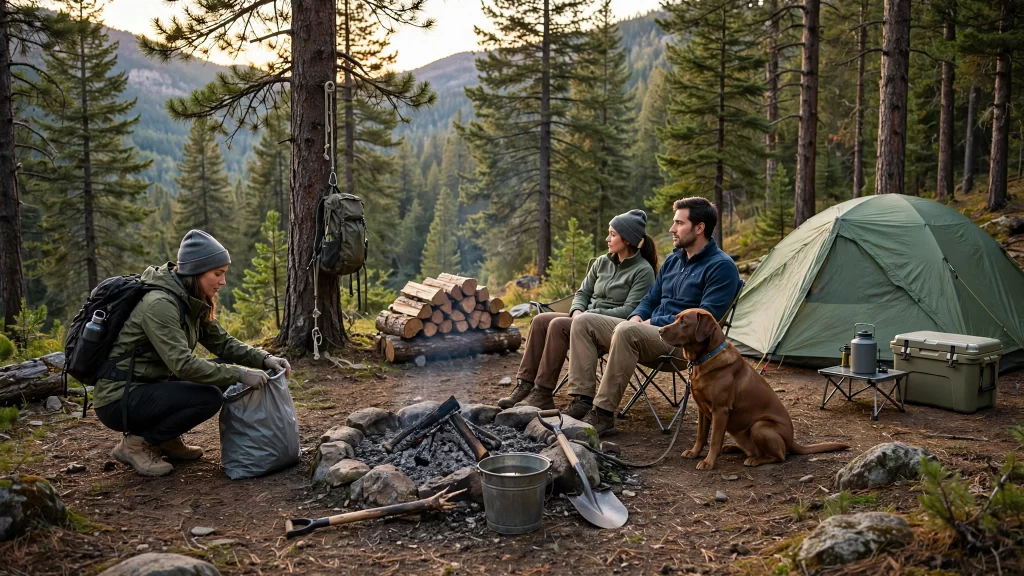
Camping Etiquette creates a better outdoor experience for everyone. Good manners protect nature, reduce conflicts, and help campers enjoy shared spaces. Whether we camp in a national park or a private campground, following simple guidelines shows respect for people, wildlife, and the environment. Small actions often make the biggest difference.
Every year, millions of people visit campgrounds across the United States. According to the National Park Service and outdoor recreation reports, campground use continues to grow, increasing the need for responsible behavior. Understanding Camping Etiquette helps us leave campsites cleaner, keep noise levels reasonable, and preserve outdoor spaces for future visitors.
| Camping Etiquette Rule | Why It Matters | Benefit |
|---|---|---|
| Respect quiet hours | Reduces disturbances | Better sleep for everyone |
| Leave no trace | Protects nature | Cleaner campsites |
| Store food safely | Prevents wildlife encounters | Safer camping |
| Keep pets controlled | Respects other campers | Fewer conflicts |
| Clean your campsite | Preserves the environment | Better experience for future visitors |
Why Camping Etiquette Matters
Respect Shared Outdoor Spaces
Camping is about enjoying nature together. Every campsite is part of a larger community where everyone deserves a peaceful stay. Good Camping Etiquette starts with respecting neighboring campers, campground staff, and the surrounding environment. Friendly behavior creates a welcoming atmosphere and reduces unnecessary disagreements during busy camping seasons.
Outdoor experts consistently recommend treating every campsite like a shared neighborhood. That means keeping voices low, following posted rules, and respecting personal space. Campgrounds often place sites close together, making considerate behavior essential. Simple acts of courtesy help everyone relax and enjoy the outdoors without unnecessary interruptions.
Keep Noise Under Control
Follow Quiet Hours
Noise is one of the most common campground complaints. Most public campgrounds enforce quiet hours between 10:00 p.m. and 6:00 a.m. During these hours, conversations, music, and vehicle movement should remain minimal. Respecting these schedules demonstrates excellent Camping Etiquette while allowing everyone to rest comfortably.
Even outside quiet hours, loud speakers and shouting can disturb nearby campers. Instead, use moderate voices and keep music at personal listening levels. Families with children should encourage quieter games near campsites. These simple habits create a more relaxing environment without reducing anyone’s enjoyment.
Protect Nature at Every Step
Leave No Trace Principles
Responsible campers leave campsites looking untouched. The internationally recognized Leave No Trace principles encourage packing out all trash, minimizing campfire impacts, and respecting wildlife habitats. Strong Camping Etiquette includes leaving natural objects exactly where we find them.
Follow these essential practices:
- Pack out every piece of trash.
- Stay on designated trails.
- Leave rocks, plants, and wood undisturbed.
- Dispose of waste properly.
- Avoid feeding wildlife.
- Respect protected natural areas.
Wildlife experts warn that feeding animals changes their natural behavior and increases human encounters. Proper food storage also prevents bears, raccoons, and smaller animals from entering campsites.
Practice Campfire Safety
Build Fires Responsibly
Campfires create memorable evenings, but they also present significant risks. The U.S. Forest Service reports that many wildfires begin because campfires are left unattended or improperly extinguished. Responsible Camping Etiquette requires using designated fire rings whenever available.
Before lighting a fire, verify local fire restrictions. Keep fires small and manageable using approved firewood. Never burn plastic, aluminum, or food waste because these materials release harmful chemicals. Before leaving, soak the fire with water, stir the ashes, and repeat until every ember feels cold to the touch.
Respect Fellow Campers
Share Facilities Fairly
Campgrounds include shared restrooms, showers, water stations, and picnic areas. Good Camping Etiquette means cleaning up after ourselves and limiting our time when facilities become busy. Courtesy keeps these shared spaces pleasant for every visitor.
Helpful habits include:
- Return borrowed campground equipment.
- Park only within designated spaces.
- Keep walkways clear.
- Supervise children around shared facilities.
- Greet neighbors respectfully without invading privacy.
Experienced campground managers often note that friendly communication prevents many common camping misunderstandings before they become larger issues.
Camp Safely With Pets
Responsible Pet Ownership
Pets can be wonderful camping companions when owners remain attentive. Most campgrounds require dogs to stay on leashes no longer than six feet. Following these rules reflects strong Camping Etiquette and keeps both pets and wildlife safe.
Always clean up pet waste immediately and dispose of it properly. Prevent excessive barking, especially during early mornings or evenings. Never leave pets unattended for extended periods because unfamiliar environments can increase stress and unpredictable behavior. Responsible pet ownership improves the experience for everyone at the campground. Explore our latest insights in Best Beach Camping Tips for Families.
Conclusion
Camping Etiquette makes every outdoor trip safer, cleaner, and more enjoyable. Respecting people, protecting nature, managing noise, and following campground rules create positive experiences for everyone. When we practice thoughtful camping habits, we help preserve beautiful outdoor spaces and ensure future visitors enjoy them just as much as we do.